
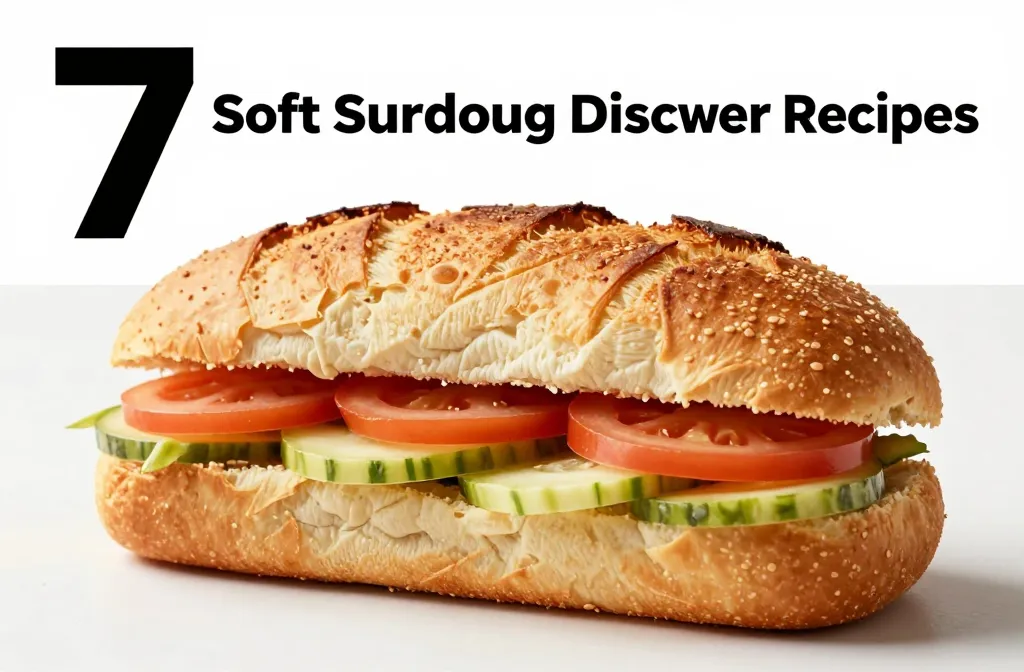
Got sourdough discard piling up and zero desire to toss it? Good. We’re turning that liquid gold into soft, squishy sandwich bread that actually slices, toasts, and holds up under a BLT. No tang bombs, no doorstops. Just seven reliably soft, keeper recipes that make your starter earn its keep.
Why Discard Makes Such Good Sandwich Bread
Sourdough discard doesn’t shout for attention. It lends a gentle tang, a bit of complexity, and—most importantly—fermentation magic for a tender crumb. Think soft, flexible slices with flavor depth you won’t get from straight commercial yeast.
Also, discard helps you cut food waste. You’ll stretch your starter without baking a full wild-yeast loaf. FYI, these recipes lean on discard for flavor and tenderness, and most use a bit of yeast for a quick, predictable rise. Win-win.
Core Technique: The Soft Sandwich Loaf Formula
This is your baseline. From here, you’ll riff with dairy, honey, oats, or whole grains. The goal: a loaf that slices cleanly and stays soft for days.
Base formula (1 loaf, 9×5 pan):
- 360–380 g bread flour (or 300 g bread + 60–80 g whole wheat)
- 200 g sourdough discard (100% hydration, unfed)
- 180–200 g warm liquid (milk or water)
- 40 g butter or neutral oil
- 30–40 g sugar or honey
- 8 g fine salt
- 5–7 g instant yeast (or 8–10 g active dry)
Method snapshot:
- Mix everything until shaggy. Rest 10 minutes.
- Knead 8–10 minutes until smooth and stretchy. The dough should feel soft, slightly tacky, not sticky.
- First rise: 60–90 minutes until puffy (not necessarily doubled).
- Shape: Roll into a tight log, seam down in a greased 9×5 pan.
- Final rise: 35–60 minutes, until the dome crests 1 inch above the rim.
- Bake: 350°F (175°C), 30–35 minutes. Tent with foil if browning fast.
- Optional: Brush with butter for a soft, shiny crust.
Pro Tips for Softness
- Use milk and fat for plush texture.
- Don’t over-flour. Soft dough equals tender slices.
- Proof to just over the rim. Under-proof equals dense; over-proof collapses.
Recipe 1: Classic Milk-and-Butter Discard Sandwich Bread
You want standard grocery-store softness but better flavor? This is it. The discard adds nuance, the milk and butter bring cloud-like crumb.
What to do:
- Follow the base formula with 200 g warm milk, 40 g butter, and 35 g sugar.
- Knead until smooth and elastic; it should windowpane when gently stretched.
- Proof, shape, bake as directed.
Why it works: Milk proteins and fat tenderize gluten. Discard adds mild acidity for better dough strength and shelf life. IMO, this is the best everyday loaf.
Make-Ahead Option
After mixing, cover and chill overnight. Shape cold, proof slightly longer, and bake. Flavor deepens without extra effort.
Recipe 2: Honey-Oat Discard Sandwich Loaf
Slightly sweet, faintly nutty, perfect for PB&J or turkey. Oats drink up moisture and keep things soft.
Adjustments:
- Replace 50 g flour with 50 g quick oats.
- Soak oats in 180 g hot milk for 10 minutes before mixing.
- Use 40 g honey instead of sugar.
Heads-up: The dough starts sticky. Give it a 15-minute rest after mixing, then knead. Add 1–2 tablespoons flour only if absolutely necessary.
Recipe 3: Buttermilk Discard Bread with Tender Crumb
Buttermilk and discard make a plush, tangy-sweet loaf with incredible shelf life. FYI, it toasts like a dream.
Adjustments:
- Use 200 g buttermilk (room temp).
- Increase sugar to 45 g to balance tang.
- Keep butter at 40 g.
Tip: If the dough feels tight, add 1–2 teaspoons extra buttermilk during kneading. Acid can stiffen gluten slightly.
Recipe 4: Half-Whole-Wheat Discard Sandwich Bread
You want a bit more nutrition without sacrificing softness. This one nails it.
Adjustments:
- Use 260 g bread flour + 120 g whole wheat.
- Add 1 tbsp vital wheat gluten (optional but helpful).
- Increase liquid to 200–210 g (whole wheat drinks more).
- Swap 20 g honey for part of the sugar.
Process tweaks:
- Autolyse (mix flour + liquids + discard, rest 20 minutes) before adding salt and yeast.
- Knead well to build strength; whole wheat needs it.
Recipe 5: Japanese-Style Milk Bread (Discard Hokkaido)
Soft, shreddable, squishably perfect. We cheat with discard for flavor and a tang you barely notice.
Tangzhong:
- Cook 25 g flour + 125 g milk over low heat, whisking until thick. Cool.
Dough:
- 320 g bread flour
- 200 g sourdough discard
- 100 g milk (plus the tangzhong)
- 45 g sugar
- 40 g soft butter
- 7 g instant yeast
- 7 g salt
Method:
- Mix everything, then knead until ultra-smooth and bouncy.
- Proof, divide into 3, roll each into tight logs, nestle into loaf pan.
- Final proof to 1 inch over the rim. Bake 330–340°F for 30–35 minutes.
Why Tangzhong?
It pre-gelatinizes starches so the bread traps more moisture. Translation: feather-light crumb and crazy softness, day after day.
Recipe 6: Olive Oil and Semolina Discard Loaf
A little semolina adds color and a tender bite. Olive oil keeps it silky and savory—great for grilled cheese.
Adjustments:
- Replace 80 g flour with semolina.
- Use 50 g olive oil instead of butter.
- Keep sugar at 20–25 g or use 1 tbsp honey.
Tip: Semolina hydrates slowly. Mix, rest 20 minutes, then knead. Expect a golden crust and soft crumb with a hint of chew.
Recipe 7: Yogurt-Maple Discard Bread
Creamy yogurt softens the crumb and adds tang, while maple brings gentle sweetness without going pancake-mode.
Adjustments:
- Use 120 g plain yogurt + 60–80 g water as the liquid.
- Sweeten with 35 g maple syrup.
- Use 35–40 g butter or neutral oil.
Note: Yogurt thickens dough. Add a splash more water if the dough feels stiff—you want that soft, supple feel.
Shaping, Baking, and Slicing Like a Pro
You kneaded a lovely dough. Don’t lose steam at shaping time.
Shaping:
- Lightly degas, then pat into a rectangle.
- Fold top third down, bottom third up, then roll tightly from the short edge.
- Pinch the seam and tuck the ends.
Proofing:
- Loaf should rise to just above the rim. Poke gently: it should slowly spring back, leaving a slight dent.
Baking:
- 350°F is your default. Lower to 330–340°F for enriched doughs if they brown quickly.
- Internal temp: 190–195°F when done.
Slicing:
- Cool completely. Yes, waiting stinks. But warm bread tears and compresses.
- Use a long serrated knife. Gentle sawing, minimal pressure.
Optional Finishes
- Butter brush right out of the oven for a soft, shiny top.
- Oat or seed topping: Brush with egg wash before proofing and sprinkle on.
Flavor Add-Ins That Don’t Kill Softness
You want excitement without wrecking the crumb. Keep add-ins small and evenly distributed.
- Soft herbs (chives, dill) finely chopped
- Cheese grated fine (30–50 g), folded in at the end of kneading
- Seeds (poppy, sesame), 1–2 tbsp
- Cinnamon-sugar swirl for breakfast vibes—just keep it light to avoid gaps
IMO, avoid large nuts or wet veg in standard loaves; they tear the crumb and mess with proofing.
FAQ
Can I use active sourdough instead of discard?
Yes. Use the same weight and reduce the instant yeast by half. Your proof times may run longer, so watch the dough, not the clock.
My discard is super sour. Will the bread taste too tangy?
Not if you balance it. Use milk or buttermilk, add a bit more sugar or honey, and keep your proof on the shorter side. Rich doughs soften acidity nicely.
Can I make these loaves dairy-free?
Totally. Use water or oat milk and swap butter for oil. Increase sugar by a teaspoon for flavor and color. The texture stays soft, just a touch less plush.
How do I store the bread to keep it soft?
Cool completely, then store at room temp in a bread bag or wrapped in a tea towel for 2–3 days. For longer storage, slice and freeze. Toast straight from frozen.
Why did my loaf sink after baking?
Over-proofing or too much liquid usually caused it. Next time, stop final proof when the dome just clears the pan, and resist adding extra liquid unless the dough feels stiff.
Can I use all-purpose flour?
Yes. Add 1–2 tablespoons less liquid or knead a bit longer to develop strength. AP makes a delicate crumb that still slices well.
Conclusion
Seven soft sourdough discard loaves, zero waste, and a sandwich game that suddenly looks very put-together. Start with the classic milk-and-butter loaf, then branch into buttermilk, tangzhong, or honey-oat depending on your vibe. Keep the dough soft, proof to the rim, and brush with butter if you feel fancy. Your starter just found its calling—IMO, this beats tossing discard every time.